
In recent years, the field of dentistry has undergone a remarkable transformation, thanks to groundbreaking innovations in dental technology. These advancements not only enhance the efficiency and precision of dental procedures but also improve patient experiences and outcomes. From diagnostic tools to treatment methods, the dental industry is witnessing a revolution that is shaping the future of oral healthcare.
Digital Imaging and Diagnostics:
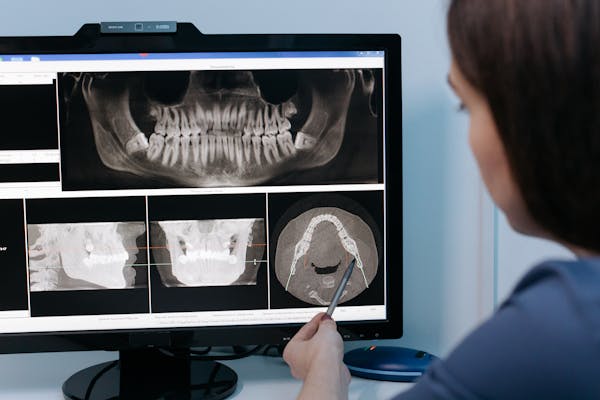
The advent of digital imaging technologies has revolutionized the way oshkosh dentists diagnose and plan treatments. Traditional X-rays have given way to digital radiography, offering higher resolution images with significantly less radiation exposure. Cone Beam Computed Tomography (CBCT) is another notable innovation, providing 3D images that enable dentists to visualize dental structures with unprecedented detail. These technologies enhance diagnostic accuracy and help in the early detection of oral health issues.
3D Printing in Dentistry:
The application of 3D printing technology has become increasingly prevalent in dentistry. From creating dental models and crowns to bridges and even removable dentures, 3D printing allows for highly customized and precise dental prosthetics. This innovation not only streamlines the manufacturing process but also improves the fit and functionality of dental restorations. The ability to produce these devices in-house reduces the turnaround time, offering patients quicker and more convenient solutions.
Teledentistry:
The rise of telehealth has extended to dentistry, giving birth to the concept of teledentistry. This technology allows for remote consultations, diagnosis, and treatment planning, enabling patients to connect with their dentists without physically visiting the clinic. Teledentistry is particularly beneficial for routine check-ups, follow-up appointments, and initial assessments, offering convenience for both patients and practitioners. The integration of virtual communication tools has opened up new possibilities for improving access to dental care.
Laser Dentistry:
Laser technology has become an integral part of modern dental practices. Laser dentistry involves the use of focused light beams for various dental procedures, including cavity treatment, gum surgeries, and teeth whitening. The precision of lasers minimizes discomfort, reduces the need for anesthesia, and accelerates the healing process. This innovation is reshaping the landscape of dental surgeries, providing a less invasive and more patient-friendly approach to various treatments.
Artificial Intelligence in Treatment Planning:
The integration of artificial intelligence (AI) into dental practice is transforming treatment planning and decision-making. AI algorithms analyze patient data, including medical history, radiographs, and clinical records, to assist dentists in formulating personalized treatment plans. This not only enhances diagnostic accuracy but also contributes to more efficient and effective treatment outcomes. AI-powered tools are becoming valuable allies in the hands of dental professionals, supporting them in delivering precision-driven oral healthcare.
Smart Toothbrushes and Oral Health Apps:
Consumer-oriented innovations are also making waves in dental technology. Smart toothbrushes equipped with sensors and connectivity features help users monitor their brushing habits in real-time. These devices often sync with oral health apps, providing personalized feedback and encouraging better oral hygiene practices. The integration of technology into daily dental care routines promotes preventive measures, contributing to improved oral health outcomes for individuals.
Augmented Reality for Patient Education:
Augmented Reality (AR) is finding its way into dental practices, enhancing patient education and treatment understanding. Dentists can use AR to create immersive experiences that allow patients to visualize dental procedures and potential outcomes. This technology improves patient engagement, reduces anxiety, and fosters a better understanding of proposed treatments. By making complex dental concepts more accessible, augmented reality is improving the overall patient experience in dental care.
Biocompatible Dental Materials:
Advancements in dental materials are contributing to more durable, natural-looking, and biocompatible restorations. The development of materials like zirconia and ceramic compounds has revolutionized the fabrication of crowns, bridges, and implants. These materials not only offer superior aesthetics but also ensure long-term stability and compatibility within the oral environment. The shift towards biocompatible materials reflects a commitment to enhancing the quality and longevity of dental restorations.
Robotics in Dental Surgery:
The integration of robotics into dental surgery is a cutting-edge development that promises to revolutionize the precision and efficiency of certain procedures. Robots can assist dentists in tasks such as implant placement, ensuring optimal positioning and alignment. This technology reduces the margin of error, enhances the predictability of outcomes, and facilitates minimally invasive approaches. While still in the early stages of adoption, robotics in dental surgery holds great promise for the future of oral healthcare.
Conclusion:
The landscape of dentistry is undergoing a dynamic transformation driven by innovations in dental technology. From enhanced diagnostic capabilities to personalized treatment planning and patient-centric solutions, these advancements are reshaping the industry. Dentists and patients alike are benefiting from the integration of technologies such as 3D printing, artificial intelligence, and teledentistry. As these innovations continue to evolve, the future of oral healthcare promises improved precision, efficiency, and overall better patient outcomes. Embracing these technological changes is essential for dental professionals to stay at the forefront of the industry and provide the best possible care for their patients.
